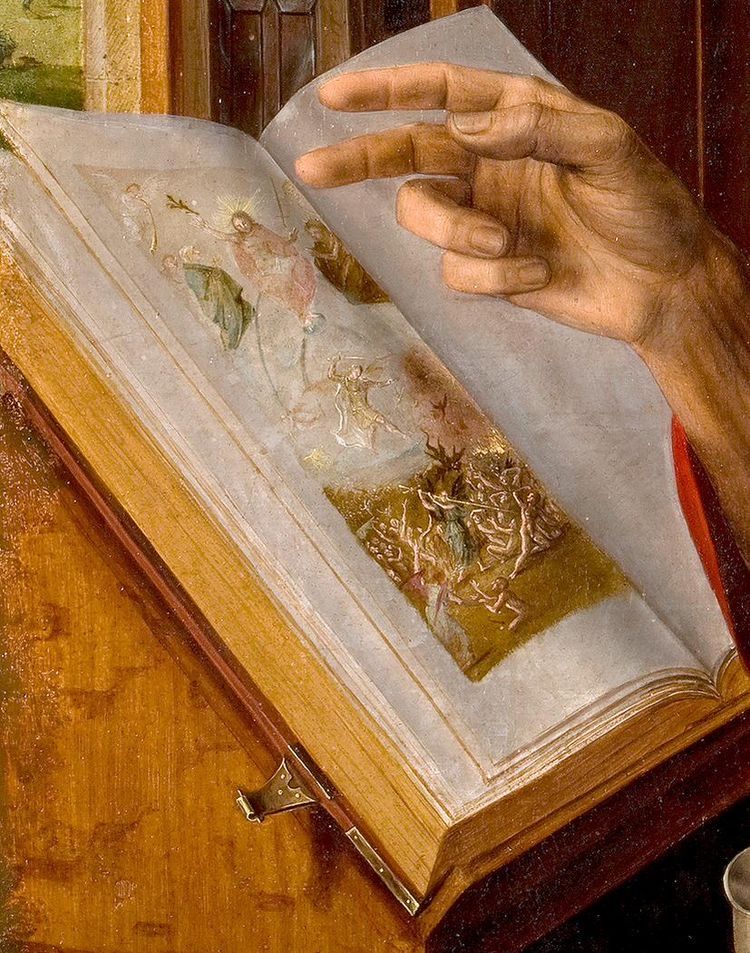



Bookplates — traditionally inscribed with the Latin phrase ex libris, or “from the books of” — occupy a unique space at the intersection of art, ownership, and intellectual history. Emerging alongside the rise of private libraries in the early age of print, they functioned both as marks of possession and as a visual expressions of status, scholarship, and taste. From heraldic engravings of Renaissance humanists to the intricate pictorial plates of later collectors, these designs offer us a material record of how readers understood their relationship to books — and how they wished posterity to remember it.
Bookplate of Willibald Pirckheimer — Renaissance Humanism in Miniature
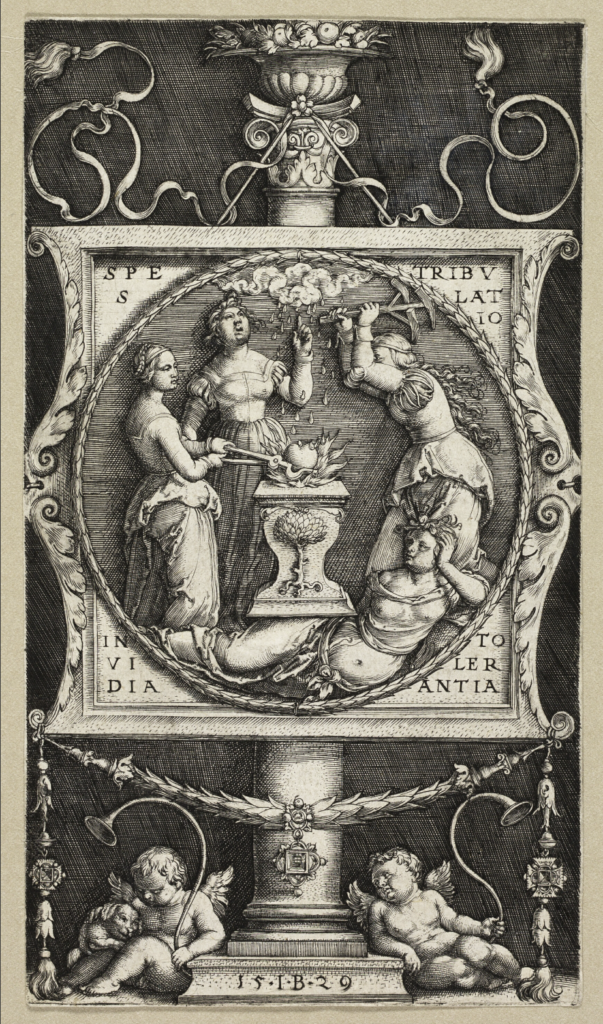
Willibald Pirckheimer, a leading scholar of the German Renaissance and a patron of classical learning, commissioned a plate that reflects both intellectual identity and personal heraldry. Rich with armorial imagery and allegorical ornament, the design binds the owner’s scholarly life to the physical volumes it marked. An inscription referencing possession “for himself and his friends” reinforces the humanist ideal of shared learning and cultivated fellowship.