

Lost Texts of Antiquity and the Long Road Back to Us
For more than a thousand years after the fall of Rome, vast portions of ancient literature survived only as names, fleeting quotations, second-hand references, or rumors preserved in the margins of other works. These lost texts were pursued with quiet determination by generations of book hunters, from the scriptoria of the Carolingian age to the manuscript-scouring humanists of the Renaissance. A surprising number of the works known to us today endured in only a single surviving exemplar — volumes that, in more than a few cases, came perilously close to disappearing altogether. Sadly, it’s believed that only 1% of ancient texts survived to modernity.
This is the story of a few of the most remarkable of those discoveries.
I. The Renaissance Hunters: When Just One Manuscript Was Enough
Lucretius — De rerum natura
Status: Entirely lost
Return: 1417, a German monastery
For over a millennium, Epicurean philosophy survived largely through hostile summaries invoked by defensive ecclesiasticals. Then one manuscript of Lucretius’ six-book poem—arguing a secular existence of the universe based on atoms rather than the divine—re-entered the intellectual conversation in Europe.
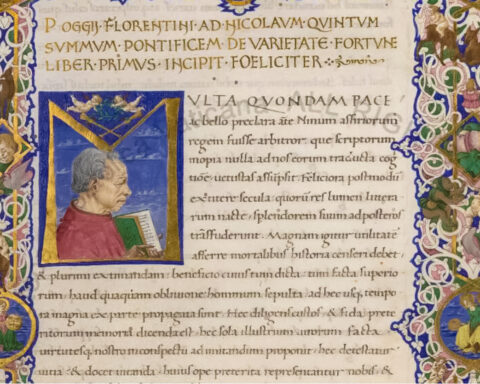
Its rediscovery by Florentine humanist Poggio Bracciolini in a German monastery didn’t just restore a poem; it reintroduced a worldview that helped loosen medieval dogma and later fed the scientific revolution.
Quintilian — Institutio Oratoria
Status: Known only in fragments
Return: 1416, St. Gall
Before its rescue by Poggio Bracciolini, medieval scholars knew of Quintilian only from fragments and citations in the works of other authors. Then in 1416 a complete manuscript emerged from amid the moldering stacks of a dank church tower at the Abbey of St Gall—twelve books on education, rhetoric, and moral formation.
Humanists celebrated Quintilians wondrous resurrection across Europe. Poggio’s friend and statesman, Leonardo Bruni, when informed of the discovery, exclaimed “Oh wondrous treasure! Oh unexpected joy! Shall I see you, Marcus Fabius, whole and undamaged, and how much will you mean to me now?”
II. The Erased Library: Palimpsests and Accidental Preservation

Cicero — De re publica
Status: Lost except for quotations
Return: 1822, Vatican Library
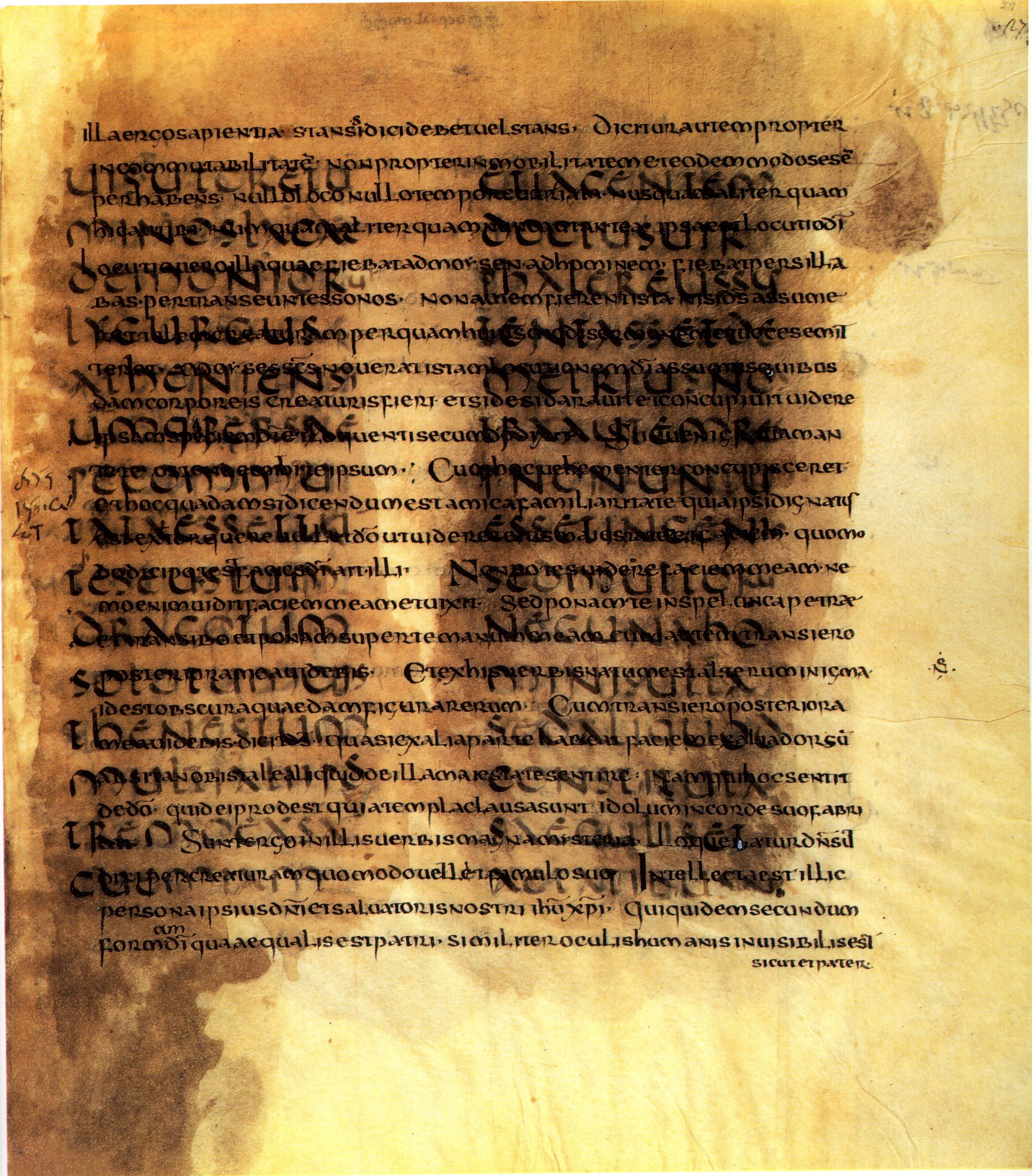
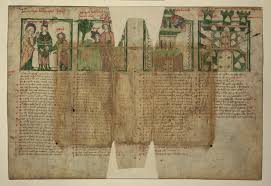
Fresh manuscript materials in medieval Europe could be costly and hard to come by, pushing scribes and bookmakers to reuse parchments containing unwanted or out of vogue texts. To do this, a monk or scribe would scrape the surface of the parchment with a knife or pumice stone to remove a layer of material. In one such case, a manuscript of Cicero’s De re publica fell victim to a medieval monks scraping knife and was replaced with a contemporary Christian text. Centuries later, a Vatican Cardinal realized the ghost of the Roman Republic still lingered underneath.
The work, written by Cicero between 55 and 51 BC and set in 129 BC, is structured as a dialogue between Scipio Aemilianus, Laelius and other minor characters in which they discuss the ideal state, favoring a mix of monarchy, aristocracy, and democracy to prevent their respective degenerations of tyranny, oligarchy and ochlocracy.
Cardinal Angelo Mai, a renown expert in palimpsests, was able to access the hidden Cicero in 1822 as well as other texts by using chemicals that brought the long hidden underwriting to the surface. This wasn’t rediscovery so much as forensic resurrection—reading what someone tried very hard to erase.
Archimedes — lost treatises
Status: Thought gone forever
Return: 20th century, via erased prayer book
Hidden beneath a 13th century Byzantine monks liturgy were lost 10th century proofs of the greek mathematician Archimedes, who discovered the value of Pi, developed the theory of specific gravity and anticipated calculus. Our entire understanding of Archimedes and his work comes from only three manuscripts, two of which have been lost. The third and last known manuscript was carefully examined by global experts in the early 21st century under the “Archimedes Palimpsest Project”. Using cutting-edge imaging technology, a team of scholars revealed the hidden text which showed that Archimedes’ mathematical genius was two millennia ahead of its time, even pre-dating Isaac Newton in some core concepts.
III. Egypt Speaks: The Papyri That Rewrote Greek Literature

Menander — The lost comedies
Status: “Known” only by reputation
Return: 20th century, Egyptian papyri
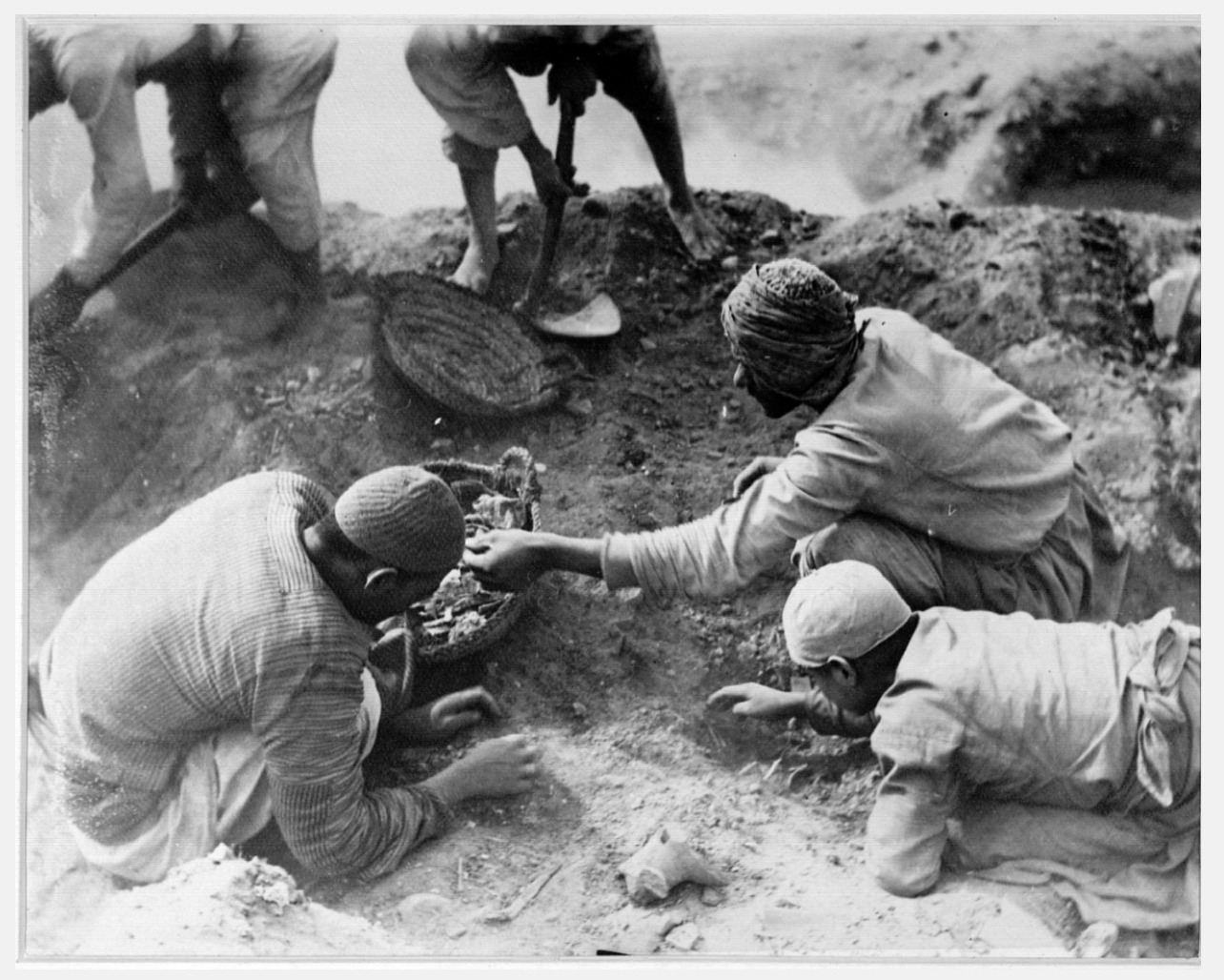
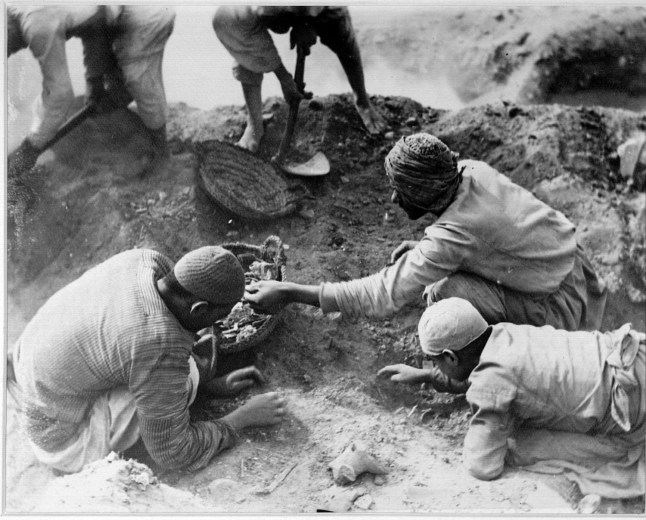
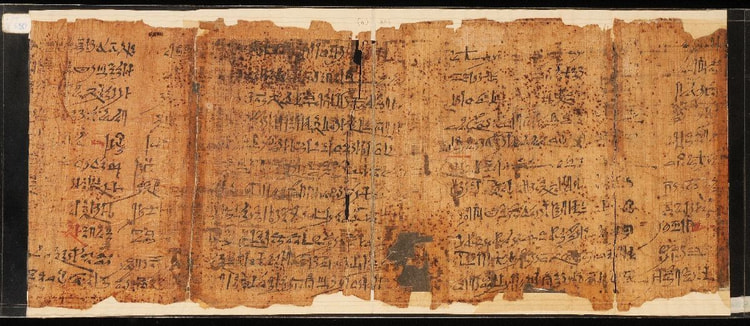
Menander (c. 342–290 BC), the leading figure of Athenian New Comedy, wrote over 100 plays, almost all of which were lost during the Middle Ages. For centuries, he was known only through fragments quoted by other authors or via Latin adaptations by Plautus and Terence. Thanks to 20th-century papyrological discoveries in Egypt, particularly the Cairo Codex and the Bodmer Papyri, substantial portions of his work have been recovered. A playwright returned to the stage after 1,500 years of silence.
Aristotle — Athenaion Politeia (The Constitution of Athens)
Status: Completely unknown
Return: 1891
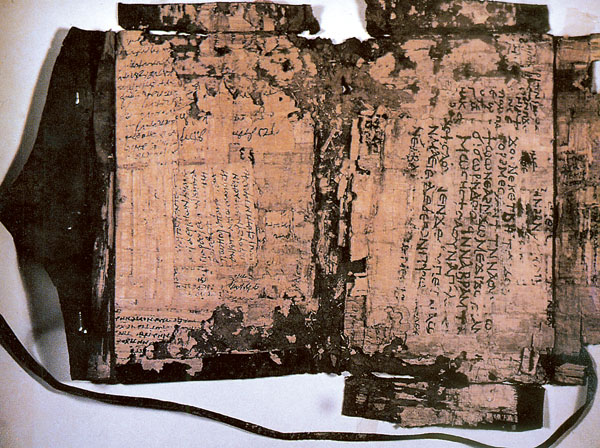
This work was not lost—it’s existence was completely unknown until it’s rediscovery on papyrus in the 1890’s. The Athenian Constitution (or Constitution of the Athenians) is a significant ancient Greek text, likely by Aristotle or one of his students, that details the political history and system of ancient Athens, from its early monarchy to the democracy of the 4th century BC.
Attributed to Aristotle or his school, it is believed to have been written between 330 and 322 BC. Its rediscovery transformed the study of Greek history by providing unprecedented, contemporary details about Athenian democracy that were previously unknown.
IV. Sacred and Suppressed: Texts Outside the Canon
Didache
Status: Lost teachings of the 12 Apostles, c. 1st century
Return: 1873
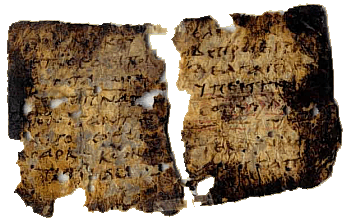
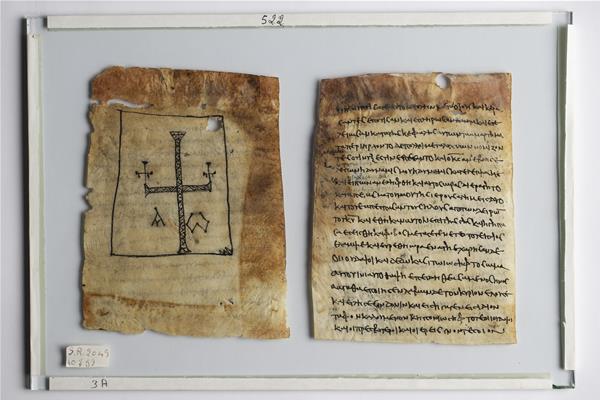
The Didache (or “Teaching of the Twelve Apostles”), a 1st-century Christian document outlining early church rituals and ethics, was rediscovered in 1873 by Greek Orthodox Metropolitan Philotheos Bryennios in the Monastery of the Holy Sepulchre in Constantinople. Found in the 11th-century Codex Hierosolymitanus, a manuscript containing several works of the Apostolic Fathers, its 1883 publication transformed understanding of early Christianity.
Gospel of Peter
Status: Known only by condemnation
Return: 19th century
The Gospel of Peter, a non-canonical, 2nd-century Passion narrative, was rediscovered in 1886 by French archaeologist Urbain Bouriant in a monks grave in Akhmim, Egypt. This fragmentary manuscript, known as the Akhmim Codex and likely dating from the 8th or 9th century, also contained parts of the Book of Enoch and the Apocalypse of Peter. The Gospel of Peter provides a unique, Docetic account of the crucifixion and resurrection. Known previously only through 4th-century references by Eusebius, its discovery in 1886 confirmed it as one of the earliest “apocryphal” or non-canonical gospels.
V. Before Greece and Rome: Libraries in the Earth


Epic of Gilgamesh
Status: Entirely forgotten
Return: 19th century archaeology
The oldest epic in human history returned not through libraries—but through ruins.
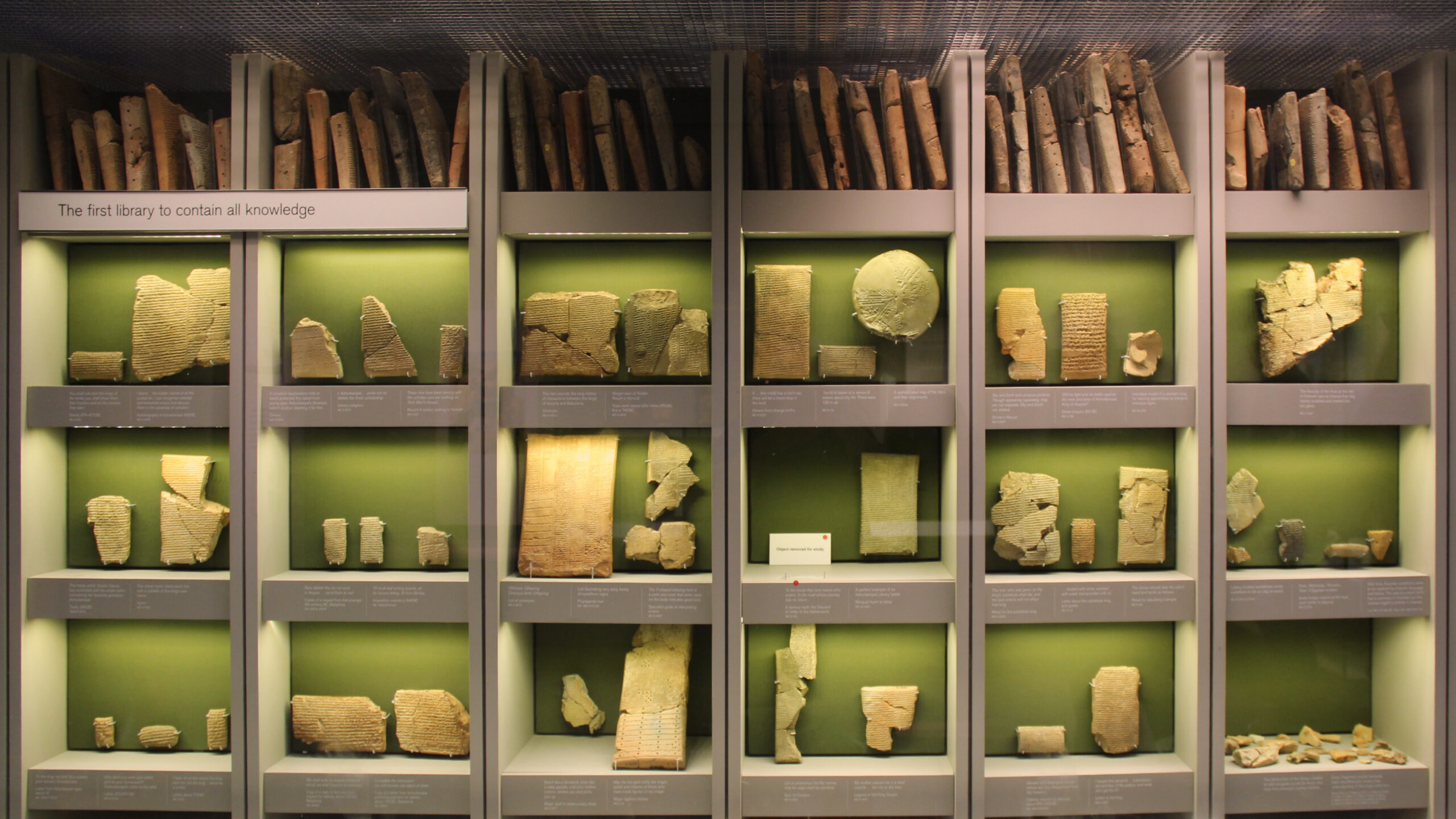
The Epic of Gilgamesh, whose roots date back to Sumerian poems from as early as 2100 B.C.E., was rediscovered in the 1850s–1870s among the ruins of Nineveh’s Library of Ashurbanipal, nearly 2,500 years after being lost. British Museum assistant curator George Smith identified the flood narrative in 1872, creating a sensation due to its parallels with the Bible. The clay tablets, largely excavated by Austen Henry Layard, were initially found in thousands of fragments.
The Library of Ashurbanipal, established in the 7th century BC in Nineveh (modern-day Iraq) by the Neo-Assyrian king, is a collection of over 30,000 inscribed clay tablets. It was the first systematically organized library in the ancient world. Sacked in 612 BC by the Medes and Babylonians, the fire that burned the building baked the clay tablets helping to preserve them over time.

Want to dig deeper? Check out;
The Bookseller of Florence – Ross King
The Swerve – Stephen Greenblatt
On the Nature of Things – Lucretius
Institutes of the Orator – Quintilian
On the Republic – Cicero
The Archimedes Codex – Reviel Netz & William Noel
Comedies – Menander
The Buried Book: The Loss and Rediscovery of the Great Epic of Gilgamesh – David Damrosch